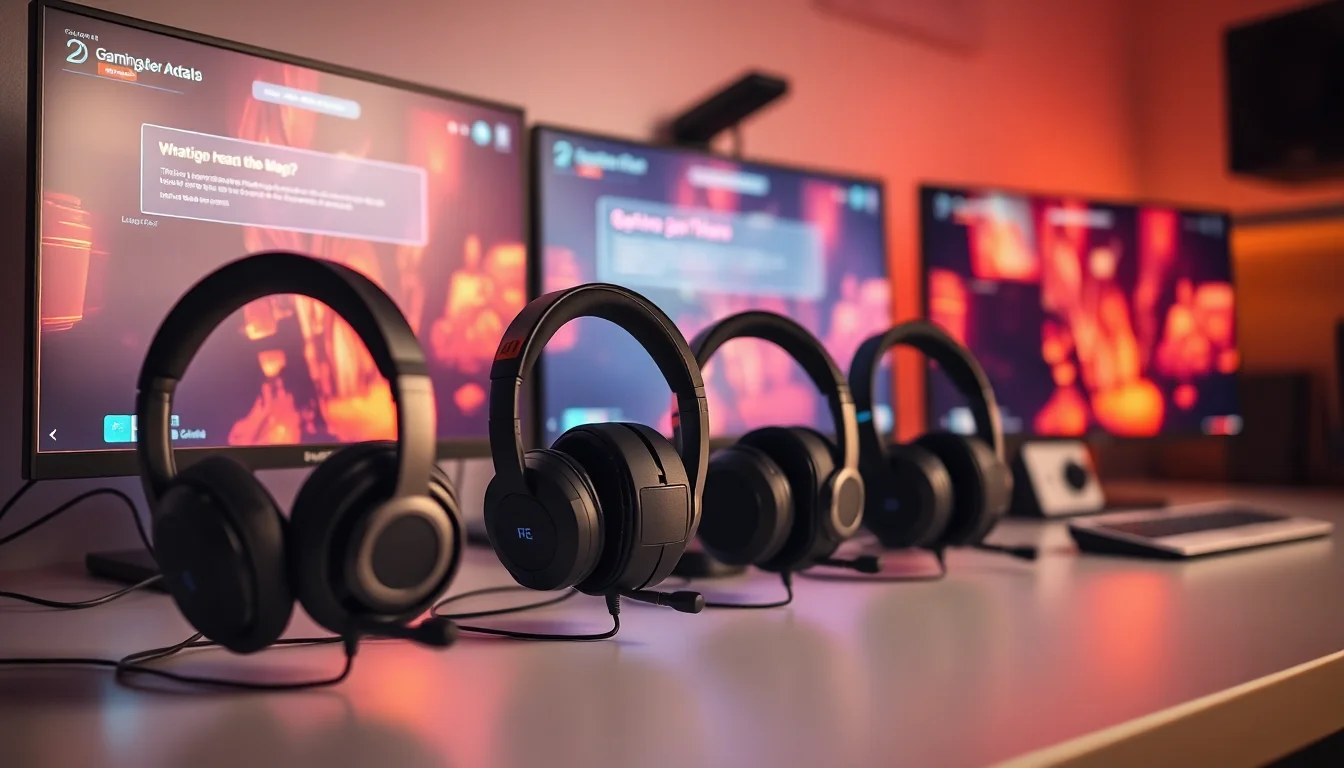

There are headsets that sound brilliant in a quiet room with a cup of tea and a Spotify playlist. And then there are headsets that hold up when you're three hours deep into a ranked match, your ears are warm, the mic's been live the whole time, and your teammates are still asking you to repeat yourself. Those are two very different products, and most reviews never bother to tell you which one you're actually buying. I've been testing gaming headsets for eight years now, and the question I always come back to is: how does this thing perform when the session gets long and the stakes get real?
The FIFINE H9 Gaming USB Headset landed on my desk in mid-May 2026, and I've spent the better part of a month putting it through its paces. FIFINE isn't a brand that gets a lot of column inches in the UK gaming press, but they've been quietly building a reputation in the budget-to-mid-range audio space, particularly with their USB microphones. The H9 is their push into the gaming headset market proper, and it sits in mid-range territory, which means it's competing against some genuinely decent kit. So the question isn't just whether it's good for the money. It's whether it's good enough to beat what else you can get at this price.
I tested the H9 across about a month of daily use: competitive Warzone sessions, long evenings in Baldur's Gate 3, a stint in Helldivers 2 with a full squad, and a fair amount of music and YouTube in between. I also wore it during video calls, because that's real life and the mic matters there too. Here's what I found.
Core Specifications
The FIFINE H9 is a wired USB gaming headset, which immediately tells you something about its intended audience. No wireless tax, no battery anxiety, no dongle to lose. You plug it in via USB-A, and it works. FIFINE lists the driver size at 50mm, which is on the larger end for a headset in this price bracket, and the frequency response spans 20Hz to 20kHz, covering the full range of human hearing on paper at least. Whether it actually delivers usable audio across that entire range is a different conversation, and we'll get to that.
The headset weighs in at around 280g, which is reasonable for an over-ear design with this kind of build. It's not featherlight, but it's not the kind of weight that has you reaching for the ibuprofen after a long session either. The earcups are over-ear, with memory foam padding covered in a leatherette material. The headband has a similar padded construction. There's an inline volume wheel and a mic mute button on the cable, which is genuinely useful during gaming without needing to alt-tab into software.
The H9 connects via USB-A and handles its own audio processing onboard, so there's no need to mess about with your PC's sound card settings. It's plug-and-play on Windows, which is exactly what you want when you just want to get into a game. The cable is braided, which is a nice touch at this price, and it's a decent length for desktop use. Below is the full spec breakdown.
| Specification | Detail |
|---|---|
| Driver Size | 50mm |
| Frequency Response | 20Hz - 20kHz |
| Impedance | 32 Ohm |
| Sensitivity | 108 dB ± 3dB |
| Microphone Type | Cardioid condenser boom mic |
| Mic Frequency Response | 100Hz - 10kHz |
| Connection | USB-A (wired) |
| Cable | Braided, approx. 2m |
| Weight | Approx. 280g |
| Platform Compatibility | PC, PS4/PS5 (USB), Mac |
| Lighting | RGB (earcups) |
| Virtual Surround | 7.1 via software |
| Price | £39.09 |

Audio Specifications
The H9 uses dynamic drivers, which is standard for gaming headsets at this price. Dynamic drivers are the workhorses of the headset world: they're reliable, they can move enough air to produce decent bass, and they don't require the kind of amplification that planar magnetic drivers demand. At 32 Ohm impedance, the H9 is easy to drive directly from a USB connection without any external amplification, which makes sense given its plug-and-play design philosophy. You can read more about how headphone impedance affects compatibility if you want the full technical picture, but the short version is: 32 Ohm is fine for USB-powered audio.
Sensitivity sits at 108 dB ± 3dB, which means this headset gets loud. Properly loud. I never pushed the volume wheel past about 60% during normal gaming sessions, and even at that level it was more than sufficient. That's actually a good sign for driver efficiency, though it also means you'll want to be careful if you're the type to crank things up during intense moments. The frequency response of 20Hz to 20kHz is the standard claim you see on virtually every gaming headset, and as always, the shape of the response curve matters far more than the endpoints. FIFINE doesn't publish a detailed frequency response graph, which is a minor frustration for enthusiasts who want to know exactly what they're getting before they buy.
The microphone is a cardioid condenser boom mic, which is the right call for a gaming headset. Cardioid pickup patterns focus on sound coming from directly in front of the capsule, which in practice means your voice, not your keyboard or your room. The mic frequency response runs from 100Hz to 10kHz, which is narrower than the headphone drivers but perfectly adequate for voice communication. It won't capture the full warmth of a studio vocal, but that's not what it's for. What matters is whether your squadmates can hear you clearly, and we'll cover that in the microphone section.
Sound Signature
After about a week of daily use across different content types, I'd describe the H9's sound signature as V-shaped with a moderate tilt. Bass is boosted, treble has some presence, and the mids are slightly recessed. This is an extremely common tuning choice for gaming headsets because it makes explosions sound dramatic, gunshots sound punchy, and music sound exciting. It's not a neutral or reference tuning, and it's not trying to be. If you're coming from a pair of studio headphones or a flat-tuned audiophile set, the H9 will sound coloured to you. But if you're coming from other gaming headsets in this price range, it'll feel right at home.
For competitive gaming, the V-shape is a bit of a double-edged sword. The boosted treble does help with high-frequency cues like footsteps and distant gunfire, which is genuinely useful in games like Warzone or Apex Legends. But the recessed mids can make some positional audio cues feel slightly less defined, particularly in games with complex audio environments. I noticed this most in Helldivers 2, where the layered sound design benefits from a more balanced presentation. In Warzone, though, the tuning felt well-suited to the game's audio mix, and I wasn't at a disadvantage.
For cinematic gaming and story-driven titles, the V-shape works better than you might expect. Baldur's Gate 3's orchestral score sounded full and engaging, with the bass giving weight to dramatic moments. Dialogue was clear enough, though voices occasionally felt slightly thin in the upper-mids. Music listening is enjoyable rather than analytical: this isn't a headset for critical listening, but it's perfectly pleasant for gaming playlists or background music during a session. If you're interested in headsets that balance gaming performance with music listening, there are options specifically designed for that purpose. If you're primarily a competitive player who occasionally wants to enjoy a story game, the H9's tuning is a reasonable compromise.
Sound Quality
Let's talk about the actual listening experience, because specs and tuning descriptions only go so far. The 50mm drivers produce a soundstage that's wider than I expected for a closed-back headset at this price. It's not going to fool you into thinking you're wearing open-backs, but there's genuine width to the presentation. Instrument separation in music is decent, and in gaming, the left-right imaging is solid enough that I could reliably identify the direction of flanking enemies in Warzone. The front-back imaging is less convincing, as it almost always is with closed-back headsets, but that's a physics problem more than a product failure.
Bass extension is one of the H9's stronger suits. The 50mm drivers can move enough air to produce genuinely satisfying low-end impact. Explosions in Warzone have real weight to them. The bass in music is present and punchy without being completely overwhelming, though it does bleed slightly into the lower mids at higher volumes. If you're someone who finds most gaming headsets too thin-sounding, the H9 will probably please you. If you find gaming headsets too bassy, this one won't change your mind. Treble clarity is reasonable, with good definition on high-frequency effects, though there's a slight harshness in the upper treble at high volumes that I noticed during extended sessions with particularly loud game audio.
The 7.1 virtual surround sound feature, accessed via FIFINE's software, is... fine. I'll be honest: like most software-based virtual surround implementations, it works by applying digital signal processing to create the impression of a wider soundstage. It can help with front-back localisation in some games, but it also tends to muddy the overall presentation and add a slightly artificial quality to the audio. I tested it in Warzone and Helldivers 2, and my honest recommendation is to leave it off for competitive play and experiment with it for cinematic titles if you're curious. The stereo presentation is cleaner and more useful for most gaming scenarios. Virtual surround sound has come a long way, but software implementations still can't match the real thing.
Microphone Quality
The boom mic on the H9 is flexible and positions easily, which sounds like a small thing but matters a lot during long sessions when you're adjusting your seating position. It extends from the left earcup and can be bent to sit at a comfortable distance from your mouth. I settled on positioning it about two centimetres from the corner of my mouth, which gave the best balance of voice clarity and breath noise rejection. The mic doesn't detach, which is a minor inconvenience if you want to use the headset for music listening without the boom arm in your peripheral vision, but it's not a dealbreaker.
Voice clarity is genuinely good for a headset mic at this price. My squadmates in Helldivers 2 reported that I sounded clear and natural, which is more than I can say for some headsets I've tested that cost considerably more. The cardioid pickup pattern does a solid job of rejecting keyboard noise, which is a real concern for anyone using a mechanical keyboard. I was typing on a fairly clicky board during several sessions and my teammates didn't complain, which is the real-world test that matters. Background noise rejection is decent but not exceptional: in a quiet room it's great, but in a noisier environment (I tested it with a fan running nearby) some ambient sound does bleed through at higher mic gain settings.
There's no hardware mic monitoring on the headset itself, which means you can't hear your own voice in real-time without going into the software. Some people don't care about this, but if you're used to sidetone from other headsets, you'll notice its absence. The inline mute button on the cable is satisfying to use and has a clear tactile click, so you always know whether you're muted. The mic does pick up some handling noise if you accidentally brush the cable, but that's a common issue with inline controls and not specific to the H9. Overall, the microphone is one of the stronger aspects of this headset and punches above its weight class.
Comfort & Build
Comfort is where gaming headsets either earn their keep or fall apart, and I'm pleased to say the H9 holds up reasonably well over extended sessions. The memory foam earcups are the highlight: they conform to the shape of your ears over the first few minutes of wear, and the leatherette covering is soft enough that it doesn't feel scratchy even after a couple of hours. The earcups are large enough to fully encompass most ear shapes, which matters for both comfort and passive noise isolation. I wore the H9 for sessions of up to four hours without significant discomfort, which puts it ahead of several competitors I've tested when it comes to best gaming headsets for long sessions.
The headband padding is adequate rather than exceptional. It's a single padded strip running along the top of the headband, and it distributes the weight of the headset reasonably well. After about three hours, I did notice some mild pressure on the top of my head, particularly during sessions where I was leaning forward over a desk. It's not painful, but it's noticeable. The clamp force is moderate: firm enough to keep the headset in place during animated gaming moments, but not so tight that it creates pressure on the sides of your head. Glasses wearers should note that the leatherette earcups do create some pressure on the arms of glasses frames, which can become uncomfortable after an hour or so. It's not the worst I've experienced, but it's worth knowing.
Build quality feels solid for the price. The plastic construction is sturdy without feeling cheap, and the headband has enough flex to accommodate different head sizes without feeling like it's about to snap. The RGB lighting on the earcups is subtle and actually looks decent in a darkened room, though I turned it off after the first week because it adds nothing to the gaming experience and I'd rather not have a light show on my ears. The braided cable is a genuine quality-of-life improvement over the rubber cables you often find at this price, and it shows no signs of tangling or kinking after a month of daily use. The inline controls feel well-made and the volume wheel has a satisfying resistance to it.

Connectivity
The H9 is a wired USB-A headset, full stop. There's no wireless option, no Bluetooth, no 3.5mm analogue output. For some people, that's a dealbreaker. For others, it's exactly what they want: a reliable, low-latency connection that doesn't require charging or pairing. I fall into the latter camp for competitive gaming, where the last thing I want is a wireless dropout at a critical moment. The USB-A connection is handled by the headset's onboard audio processing, which means it appears as a USB audio device in Windows and doesn't rely on your motherboard's audio chipset.
Plug-and-play functionality on Windows 10 and 11 worked perfectly in my testing. I plugged it into three different PCs over the course of the month, including one running Windows 10 and two on Windows 11, and it was recognised and ready to use within seconds each time. No driver installation required for basic operation, though you'll need FIFINE's software for EQ and virtual surround features. On PS5, the USB connection also works natively for audio, though the mic functionality may require some manual configuration in the console's audio settings depending on your setup.
The cable length is approximately two metres, which is comfortable for most desktop setups. If your PC is on the floor rather than on the desk, you might find it a bit short, but for the majority of setups it's fine. There's no USB-C option, which is a minor gripe in 2026 when USB-C is increasingly the standard, but it's not unusual for headsets at this price point. The USB Implementers Forum has been pushing USB-C adoption across devices, and it'd be good to see FIFINE follow suit in a future revision. For now, USB-A works fine and the connection has been rock-solid throughout testing with zero dropouts or interference.
Battery Life
The FIFINE H9 is a wired headset, so there's no battery to worry about. This is worth stating clearly because it's genuinely one of the practical advantages of choosing a wired USB headset over a wireless alternative. You never have to remember to charge it, you never get caught mid-session with a dying battery warning, and you never have to compromise on audio quality because the battery is running low. For players who game in long, uninterrupted sessions, this is a real benefit.
The flip side, of course, is that you're tethered to your PC. The two-metre braided cable gives you reasonable freedom of movement at a desk, but if you're the type who likes to lean back in a gaming chair or sit on a sofa while gaming on a PC connected to a TV, the cable will be a constraint. That's a lifestyle consideration rather than a product flaw, but it's worth thinking about before you buy. The cable management situation is helped by the braided construction, which doesn't tangle as aggressively as rubber cables, but you'll still want to think about cable routing if you have a tidy desk setup.
Power draw from the USB connection is minimal, as you'd expect from a headset. It won't noticeably affect your PC's power consumption, and it works fine on USB hubs in my experience, though I'd recommend plugging directly into a motherboard USB port for the most stable connection. There's no power switch or standby mode to worry about: the headset is active when plugged in and inactive when unplugged. Simple, reliable, and one less thing to think about during a gaming session. Sometimes the straightforward solution is the right one.
Software & Customisation
FIFINE provides companion software for the H9 that handles EQ adjustment, virtual surround sound toggling, and RGB lighting control. The software is functional rather than polished: it gets the job done, but it's not going to win any awards for UI design. Installation is straightforward, and the software doesn't run a heavy background process that'll affect your game performance, which is more than can be said for some of the bloated companion apps from bigger brands. The EQ section offers a handful of preset profiles (gaming, music, movie, and a custom option) plus a basic parametric EQ that lets you adjust individual frequency bands.
I spent some time with the custom EQ, and it's genuinely useful for taming the H9's slightly boosted bass if you find it overwhelming, or for pulling back that upper treble harshness I mentioned earlier. A small cut around 8-10kHz smoothed out the high-frequency edge noticeably, and a slight reduction in the sub-bass region cleaned up the low-end without losing the punch. If you're willing to spend twenty minutes experimenting, you can get the H9 sounding considerably more balanced than its out-of-the-box tuning. If you're not interested in EQ fiddling, the gaming preset is a reasonable starting point.
Mic monitoring (hearing your own voice through the headset) is available in the software, which partially addresses the lack of hardware sidetone. It works, though there's a very slight latency to it that some people find distracting. I ended up leaving it off. The RGB lighting controls are basic: you can choose from a few colour options and lighting patterns, but there's nothing as elaborate as what you'd find in software from Razer or SteelSeries. Firmware updates are handled through the software, and there was one update available during my testing period that FIFINE said addressed mic performance. I applied it and didn't notice a dramatic difference, but it's good to see the company actively supporting the product.
Compatibility
The H9's USB-A connection makes it natively compatible with PC (Windows and Mac) and PlayStation 4/PS5 without any additional adapters. On PC, it works as a standard USB audio device, so it'll function on Windows 10, Windows 11, and macOS without needing drivers for basic audio. The companion software is Windows-only, so Mac users won't have access to EQ or virtual surround features, but the headset itself works fine for audio output and mic input on Mac. I tested it briefly on a MacBook Pro and it worked without any fuss.
PlayStation compatibility is a genuine selling point. The H9 works via USB on PS5 and PS4, and the audio output functions correctly. Mic input on PS5 required a quick trip into the console's sound settings to set the USB headset as the input device, but once configured it worked well. I used it for a few sessions of Helldivers 2 on PS5 and the experience was solid. Xbox compatibility is more limited: the Xbox Series X/S doesn't support USB audio devices natively, so the H9 won't work on Xbox without a separate USB audio adapter, which rather defeats the purpose. Nintendo Switch in docked mode also doesn't support USB audio, though in handheld mode with a USB-C adapter it may work depending on your setup.
Mobile compatibility via USB-C OTG adapters is possible in theory, and I tested it briefly with an Android phone using a USB-A to USB-C adapter. Audio output worked, but mic input was inconsistent and I wouldn't rely on it for anything important. The H9 is fundamentally designed for PC and PlayStation use, and that's where it performs best. If you need a headset that works across PC, console, and mobile without fuss, you'd be better served by a headset with a 3.5mm connection or a proper multi-platform wireless solution. But for PC-primary gamers who occasionally want PlayStation compatibility, the H9 covers the bases that matter.
How It Compares
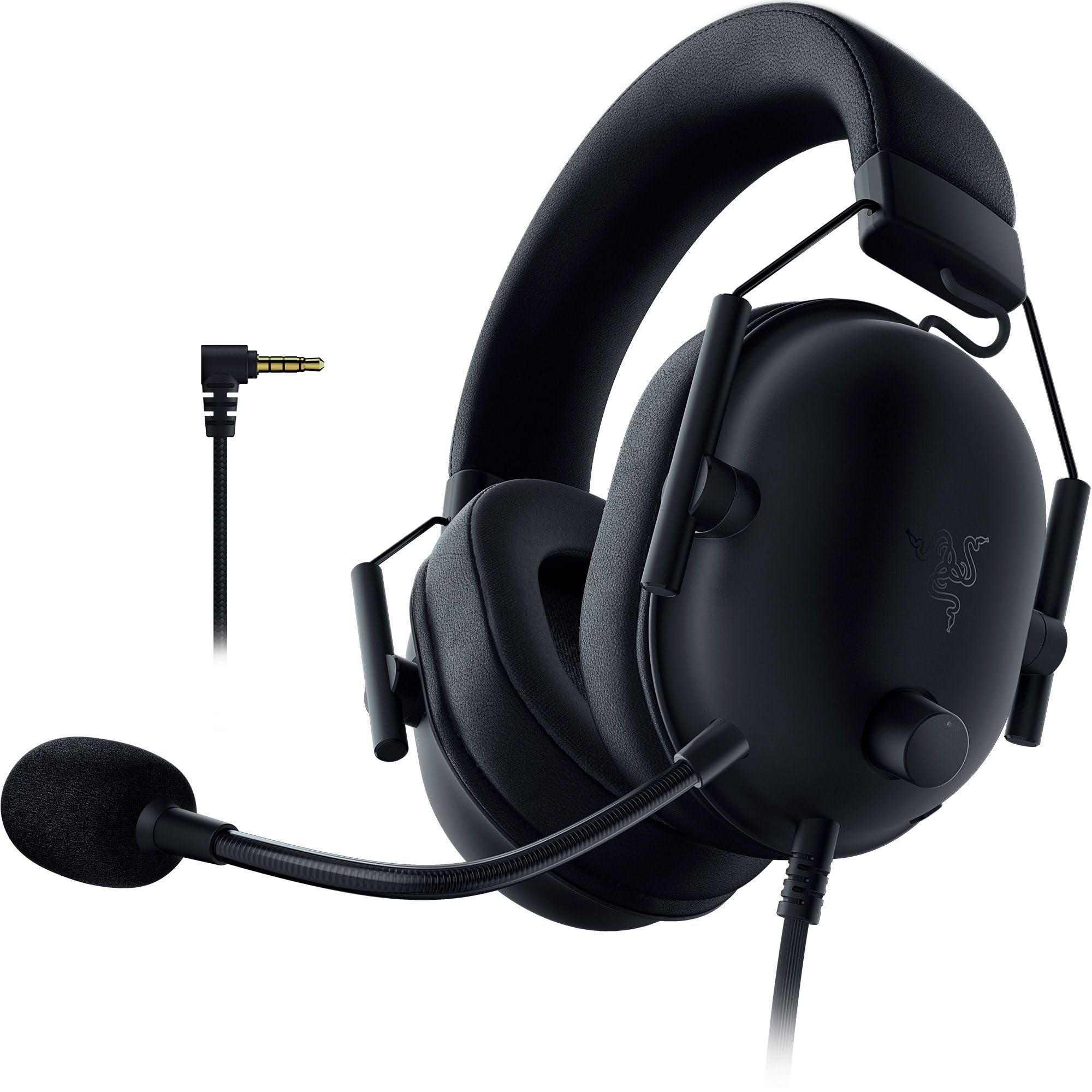
The mid-range gaming headset market around this price point is genuinely competitive, and the H9 needs to justify itself against some well-established options. If you're looking for more affordable alternatives, our guide to best wireless gaming headsets under £50 covers solid options in a lower price bracket. The two headsets I kept coming back to as comparison points were the HyperX Cloud Stinger 2 and the Corsair HS55 Stereo. Both are well-regarded options in similar price territory, both have been around long enough to have established reputations, and both represent what the competition looks like for a headset trying to make its mark in this space.
The HyperX Cloud Stinger 2 is probably the H9's most direct competitor. It's a proven design with good comfort, decent audio, and a solid mic. Where the H9 has an edge is in driver size (50mm vs the Stinger 2's 40mm) and the inclusion of RGB lighting and companion software with EQ. The Stinger 2 has a slightly more neutral sound signature that some competitive players prefer, and HyperX's brand recognition means it has a larger community of users sharing EQ settings and tips. The H9 competes well on audio performance but is a newer, less-established product. The Corsair HS55 Stereo brings Corsair's build quality and iCUE software integration, which is more feature-rich than FIFINE's companion app. But the HS55 can feel slightly plasticky for the price, and its mic, while decent, doesn't quite match the H9's clarity in my testing.
Where the FIFINE H9 genuinely stands out is in the combination of 50mm drivers, a good boom mic, and competitive mid-range pricing. It's not the best headset at this price in every category, but it doesn't have any glaring weaknesses either, which is harder to achieve than it sounds. The lack of wireless is a genuine limitation compared to some alternatives, but for wired-only buyers, it's a strong option.
| Feature | FIFINE H9 | HyperX Cloud Stinger 2 | Corsair HS55 Stereo |
|---|---|---|---|
| Driver Size | 50mm | 40mm | 50mm |
| Connection | USB-A (wired) | USB-A / 3.5mm | 3.5mm / USB |
| Microphone | Cardioid condenser boom | Cardioid boom | Omnidirectional boom |
| Virtual Surround | 7.1 (software) | 7.1 (software) | No (stereo only) |
| RGB Lighting | Yes | No | No |
| Companion Software | Yes (EQ, RGB) | Yes (NGENUITY) | Yes (iCUE) |
| PS5 Compatible | Yes (USB) | Yes (USB) | Yes (USB) |
| Xbox Compatible | Limited | Limited | Yes (3.5mm) |
| Price | £39.09 | Mid-range | Mid-range |

Final Verdict
After a month with the FIFINE H9, I've got a clear picture of what it is and who it's for. This is a solid mid-range gaming headset that delivers genuinely good audio performance for its price tier, a microphone that's better than most of its direct competition, and comfort that holds up through long sessions. It's not perfect: the V-shaped tuning won't suit everyone, the software is functional but basic, and Xbox players will need to look elsewhere. But for PC and PlayStation gamers who want a wired USB headset with real audio quality and a mic that actually works, the H9 makes a strong case for itself.
The 50mm drivers are the headline feature, and they deliver. The soundstage is wider than you'd expect from a closed-back headset at this price, the bass has genuine weight without completely dominating the mix, and the treble gives you enough clarity for competitive play. The mic is the other standout: clear, well-isolated from keyboard noise, and easy to position. These are the two things that matter most in a gaming headset, and FIFINE has got both of them right. The companion software's EQ tools let you refine the sound signature if the default tuning doesn't suit you, which adds real value for enthusiasts who like to tinker.
Is it the best headset you can buy at this price? That depends on what you prioritise. If you want wireless, it's not even in the running. If you want Xbox compatibility out of the box, look at the Corsair HS55 instead. But if you're a PC or PS5 gamer who wants a wired USB headset with good audio, a great mic, and enough software support to customise the experience, the FIFINE H9 is genuinely worth your attention. I'd give it a 7.5 out of 10. Recommended, with the caveats noted.
What works. What doesn’t.
5 + 4What we liked5 reasons
- 50mm drivers deliver a wider soundstage than expected at this price
- Boom mic clarity is genuinely above average for mid-range headsets
- Comfortable memory foam earcups hold up well over four-hour sessions
- Plug-and-play USB on PC and PS5 with no driver faff
- Braided cable and solid build quality for the price tier
Where it falls4 reasons
- V-shaped tuning won't suit competitive players who prefer a neutral sound
- No Xbox Series X/S native USB audio support
- Companion software is functional but lacks polish
- Slight upper treble harshness at high volumes
Full specifications
12 attributes| Connectivity | USB, 3.5mm |
|---|---|
| Surround | 7.1 |
| Microphone | detachable |
| Noise cancellation | false |
| Driver size | 50mm |
| Driver size MM | 50 |
| Frequency response HZ | 20-20000 |
| Microphone type | detachable boom |
| Platforms | PC, PS5, PS4, Xbox, Switch, Mobile |
| Spatial audio | true |
| Type | over-ear |
| Weight G | 260 |
If this isn’t right for you
2 options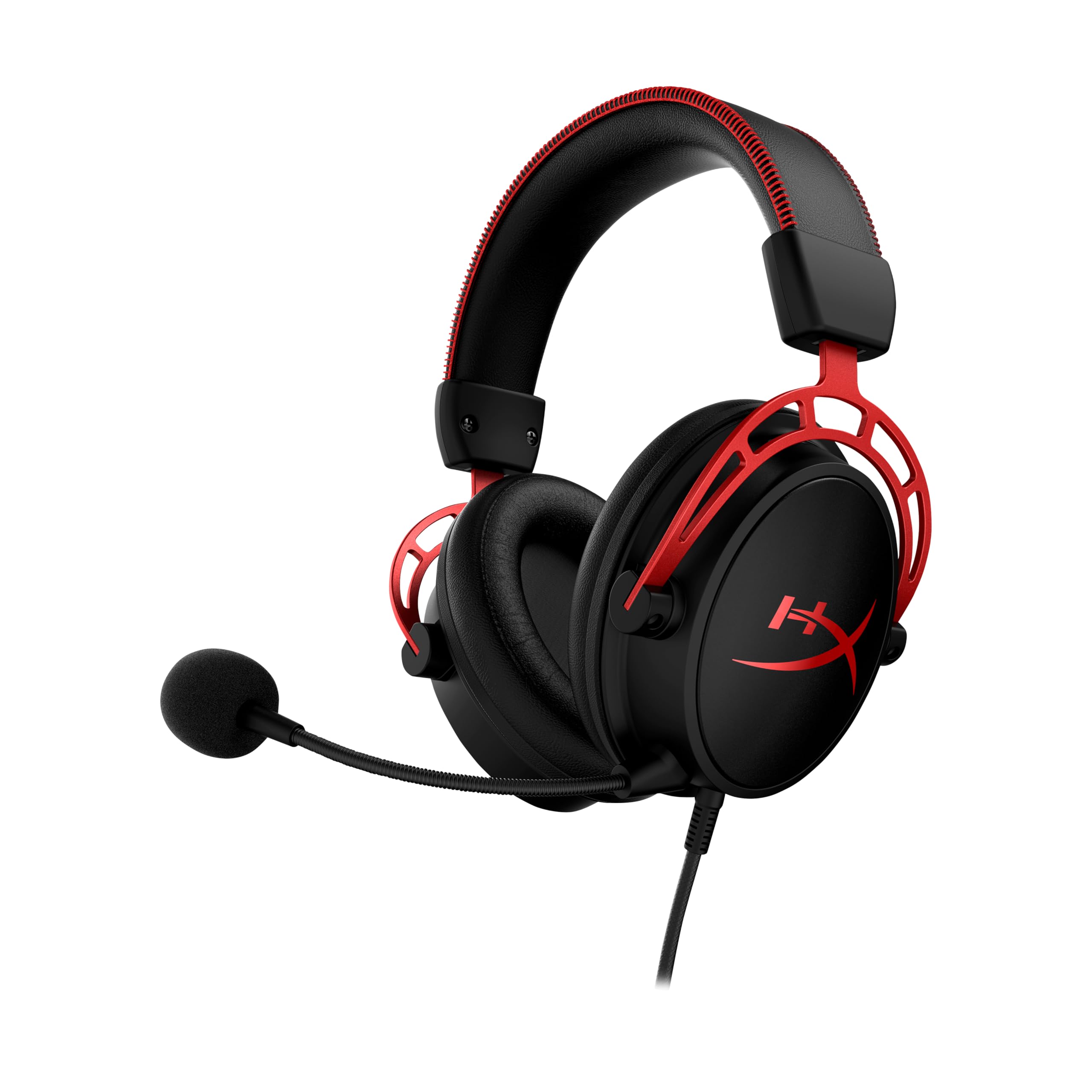
Frequently asked
5 questions01Is the FIFINE H9 Gaming USB Headset good for competitive gaming?+
It's decent for competitive play. The 50mm drivers produce solid left-right imaging that helps with directional audio in games like Warzone and Apex Legends. The V-shaped sound signature boosts treble, which can help pick out footsteps and high-frequency cues. However, the slightly recessed mids mean it's not the most analytically precise option for serious competitive players who prefer a flatter response. The 7.1 virtual surround is best left off for competitive use.
02Does the FIFINE H9 Gaming USB Headset have a good microphone?+
Yes, the mic is one of the H9's strongest points. The cardioid condenser boom mic delivers clear voice reproduction and does a solid job of rejecting keyboard noise and background sound. Teammates consistently reported good clarity during testing. There's no hardware sidetone, but mic monitoring is available through the companion software.
03Is the FIFINE H9 Gaming USB Headset comfortable for long sessions?+
Generally yes. The memory foam earcups are comfortable and conform well to the shape of your ears. Sessions of up to four hours were manageable without significant discomfort. Some mild headband pressure was noticeable after three or more hours. Glasses wearers may find the leatherette earcups create some pressure on frame arms over extended use.
04Does the FIFINE H9 Gaming USB Headset work with PS5 and Xbox?+
It works natively with PS5 and PS4 via USB-A, with mic input requiring a quick configuration in the console's audio settings. Xbox Series X/S does not support USB audio devices natively, so the H9 will not work on Xbox without a third-party USB audio adapter. Nintendo Switch docked mode also lacks native USB audio support.
05What warranty applies to the FIFINE H9 Gaming USB Headset?+
Amazon offers 30-day returns on eligible purchases. FIFINE typically provides a 1-2 year manufacturer warranty on their products. Check the product listing and FIFINE's official support pages for the most current warranty terms applicable to UK purchases.