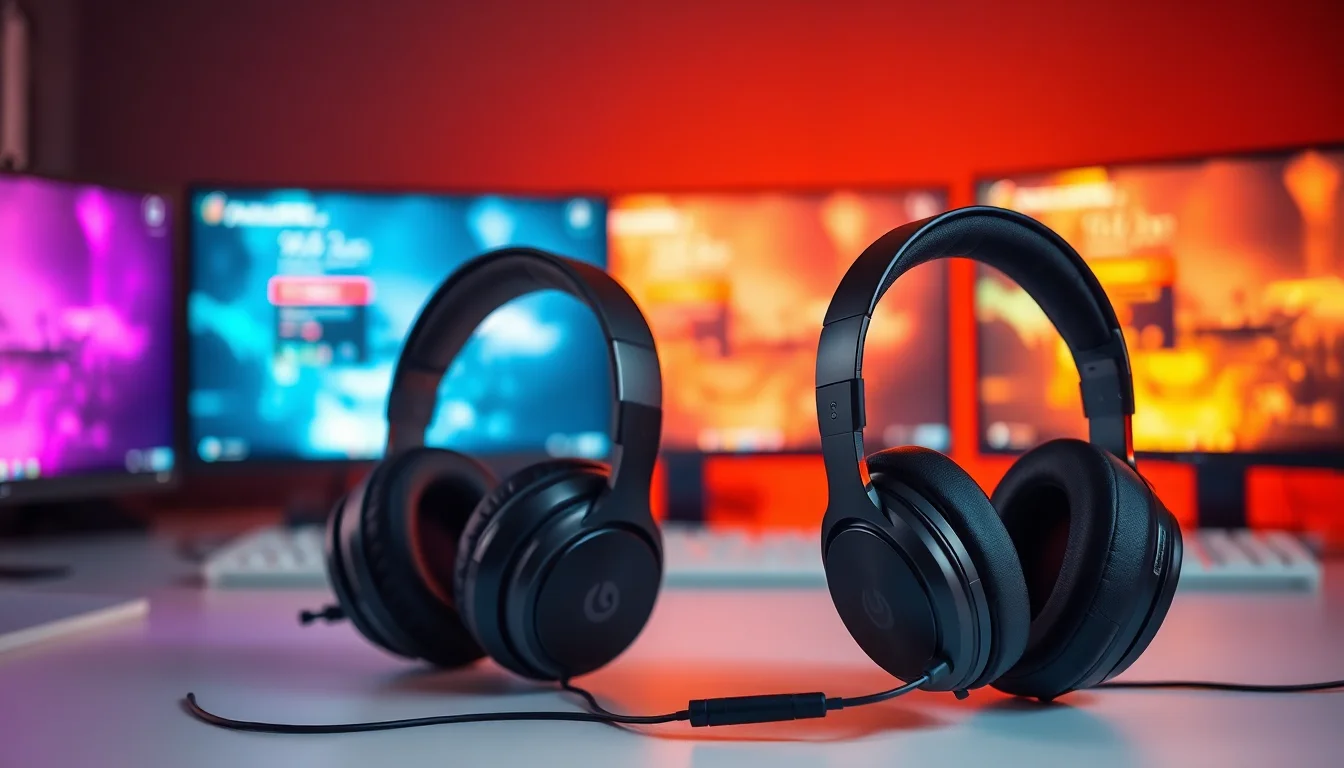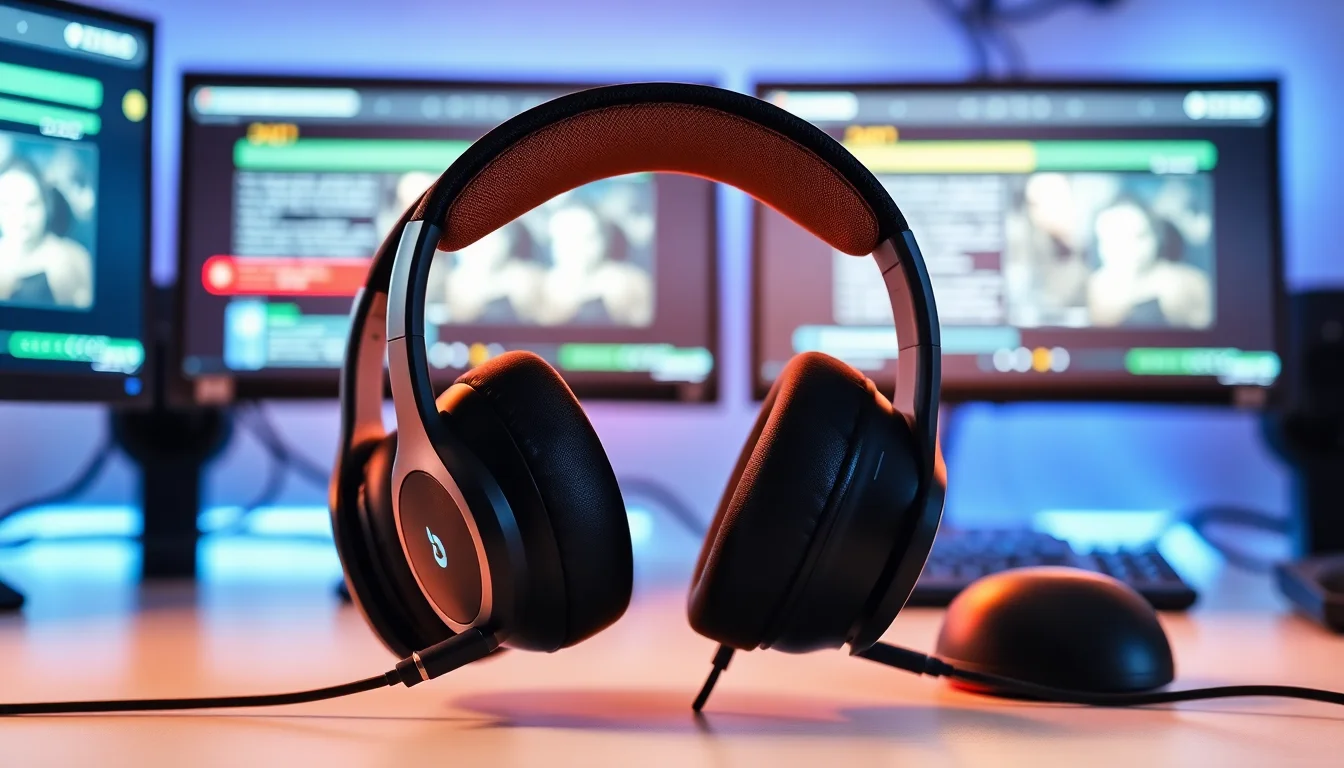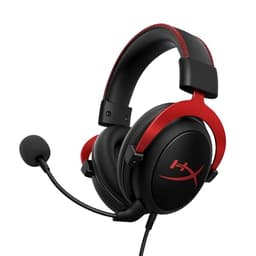
After eight years of strapping gaming headsets to my head for hours on end, I've developed a fairly finely tuned sense of when something is genuinely good versus when it's just marketing dressed up in a flashy box. The HyperX Cloud II has been around long enough that it's practically a legend in mid-range gaming audio circles, and yet here I am in 2026, still getting asked whether it's worth buying. So I spent about a month with it across competitive FPS sessions, late-night story game marathons, and everything in between, because that's the only honest way to know if a headset actually holds up. Not test tones. Real games.
The mid-range gaming headset market in the UK is absolutely brutal right now. You've got options from SteelSeries, Corsair, Razer, and a dozen other brands all fighting for the same £40-80 bracket, and most of them are making big claims about virtual surround, studio-grade mics, and comfort that lasts all day. The Cloud II has been competing in this space for years, which is either a sign that it's genuinely good or that HyperX has just been coasting on brand recognition. After a month of proper testing, I've got a pretty clear answer.
If you've been putting up with a headset that makes your squadmates wince every time you speak, or one that leaves your ears aching after a couple of hours, you already know something needs to change. The question is whether the HyperX Cloud II is actually the answer, or whether your money is better spent elsewhere. Let's get into it.
Core Specifications
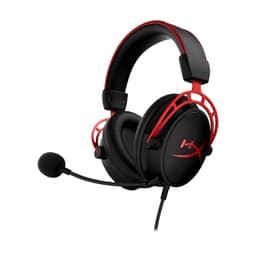
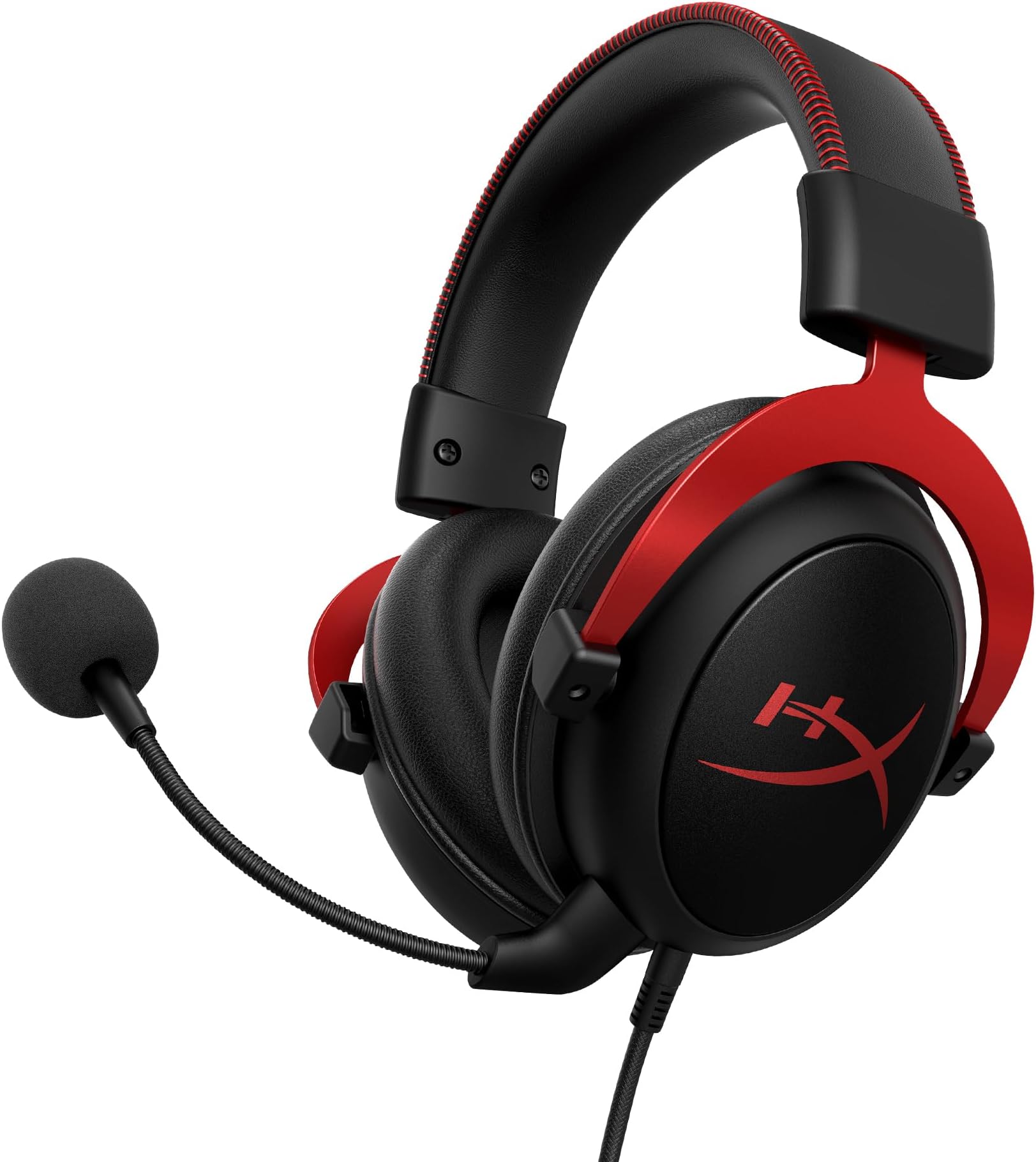
The HyperX Cloud II is a wired headset built around 53mm dynamic drivers, which is on the larger end for gaming headsets in this price tier. It connects via a 3.5mm analogue jack with a USB sound card adaptor included in the box, giving you the option of either pure analogue audio or the USB-powered virtual 7.1 surround mode. The headset weighs in at around 320g, which isn't featherlight but isn't a neck-wrecker either. The cable is a braided 1m cable that terminates in a 3.5mm TRRS connector, and then you get a separate 2m extension cable plus the USB adaptor, so the cable management situation is a bit of a faff but at least you've got options.
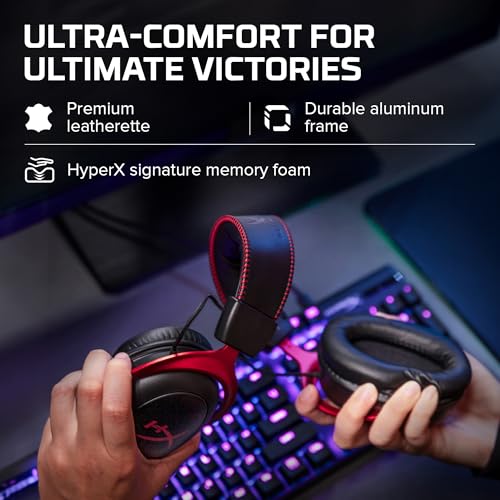
Build materials are a mix of aluminium and steel for the frame, with memory foam earpads wrapped in leatherette. The headband uses a similar leatherette-covered foam padding. The microphone is a detachable boom mic that clicks into a port on the left earcup, which is a design choice I genuinely appreciate because it means you can use the headset as a regular pair of headphones when you're not gaming. The overall construction feels solid, not premium, but definitely not cheap. There's a volume wheel on the right earcup and a mic mute button on the inline control box on the USB adaptor.
For the price, the spec sheet is competitive. The 53mm drivers are larger than what you'll find on a lot of competitors at this level, and the inclusion of the USB sound card adaptor adds some value even if the virtual surround it enables is, as I'll get into later, a bit of a mixed bag. Here's the full breakdown:
| Specification | Detail |
|---|---|
| Driver Size | 53mm dynamic |
| Frequency Response | 15Hz - 25,000Hz |
| Impedance | 60 Ohm |
| Sensitivity | 98dBSPL/mW at 1kHz |
| Microphone Type | Detachable condenser boom mic |
| Mic Frequency Response | 50Hz - 18,000Hz |
| Mic Sensitivity | -45dBV (0dB=1V/Pa, 1kHz) |
| Connection | 3.5mm + USB adaptor (included) |
| Cable Length | 1m + 2m extension |
| Weight | ~320g |
| Platform Compatibility | PC, PS4/PS5, Xbox (via 3.5mm), Switch, Mobile |
| Colours Available | Red, Black, Khaki, Blue |
| Price | £61.99 |
Audio Specifications
The 53mm dynamic drivers are the headline spec here, and they're worth talking about properly. Dynamic drivers work by using a voice coil attached to a diaphragm, which moves in response to an electrical signal to produce sound. Larger drivers generally have more surface area to move air, which can translate to better bass extension and a bigger sense of scale, though driver size alone doesn't tell you everything about sound quality. What matters is the tuning, the materials, and how well the whole system is implemented. You can read more about how dynamic transducers work if you want the technical deep dive, but the short version is that bigger isn't automatically better.
At 60 Ohm impedance, the Cloud II is on the higher end for a gaming headset, which means it needs a bit more power to drive properly than something at 32 Ohm. In practice, this means it sounds noticeably better through the USB adaptor or a dedicated DAC than it does plugged directly into a phone's headphone jack. Through a phone it's fine, just a bit flat and lacking in dynamics. Through the USB adaptor or a proper PC audio output, it opens up considerably. The 98dBSPL/mW sensitivity is reasonable, meaning it'll get loud enough without needing to crank your volume to uncomfortable levels.
The stated frequency response of 15Hz to 25,000Hz is the kind of number that marketing departments love and audio engineers roll their eyes at, because what matters isn't the theoretical range but how flat and accurate the response is across that range. In practice, the Cloud II has a pronounced bass shelf and a slight dip in the upper mids, which shapes its sound signature significantly. It's not a flat, reference-style headset, and it was never meant to be. But understanding that tuning helps you know what you're getting into before you buy.
Sound Signature
The Cloud II has a V-shaped sound signature, which means the bass and treble are both pushed forward while the mids sit slightly recessed. This is an extremely common tuning choice for gaming headsets because it tends to sound exciting and impactful straight out of the box, especially for action games and shooters where you want explosions to feel weighty and high-frequency sounds like footsteps to cut through clearly. It's crowd-pleasing tuning, and there's nothing wrong with that, but it does mean the Cloud II isn't the most natural-sounding headset for music or for games where dialogue and midrange detail matter most.
For competitive gaming, the V-shape works reasonably well. High-frequency cues like enemy footsteps, reload sounds, and distant gunfire come through with decent clarity, and the bass gives weapon fire a satisfying punch. But I'd stop short of calling it ideal for competitive play, because the recessed mids can occasionally make it harder to pick out subtle directional audio cues that sit in that frequency range. If you're playing something like Valorant at a high level and you're obsessing over every audio detail, you might find a more neutral headset gives you a slight edge. For most players though, it's absolutely fine.
For cinematic gaming and story games, the V-shape is actually quite enjoyable. Playing through something like a narrative RPG or an action-adventure game, the Cloud II makes everything feel a bit more dramatic and cinematic than a flat headset would. Music sounds energetic, sound effects have impact, and the overall experience is engaging. It's not the most accurate representation of what the sound designer intended, but it's fun, and sometimes that's exactly what you want from a gaming headset. Just don't expect it to replace a proper pair of audiophile headphones for critical music listening.
Sound Quality
Right, this is where I spent most of my testing time, because sound quality is the whole point. Over about a month of use across multiple games and genres, I came away with a pretty clear picture of what the Cloud II does well and where it falls short. Starting with the positives: the bass is genuinely good for the price. It's got real extension down into the low frequencies, and it doesn't just boom and muddy everything up the way cheaper headsets tend to. Explosions in games like Battlefield have genuine weight to them, and bass-heavy music has a satisfying thump without completely overwhelming everything else. That said, it does lean towards the warmer, fuller side of bass rather than tight and punchy, so if you hate any hint of bass bloom, you might find it a touch much.
Soundstage is where things get more nuanced. The Cloud II has a reasonably wide soundstage for a closed-back headset, which is a category that typically struggles with spaciousness compared to open-back designs. You get a decent sense of width, and positional audio in games is good enough that you can reliably identify whether a sound is coming from your left or right. Front-to-back positioning is less impressive, which is pretty typical for closed-back gaming headsets. The virtual 7.1 surround mode via the USB adaptor does add some sense of depth and height, but honestly, I found myself switching it off more often than not. It adds a slightly artificial quality to the sound that I found more distracting than helpful in competitive scenarios. For movies and cinematic games it's more enjoyable, but for anything where audio accuracy matters, stick to stereo.
Treble clarity is decent without being exceptional. High frequencies are present and detailed enough to pick out footsteps and environmental sounds without becoming harsh or fatiguing over long sessions. I did about a four-hour session one evening playing through a story game, and my ears weren't screaming at the end of it, which is genuinely more than I can say for some headsets I've tested. The upper treble does roll off a bit, which keeps it from being sibilant but also means it lacks the last bit of air and sparkle that more expensive headsets can deliver. For the price tier, though, the overall sound quality is genuinely impressive and holds up well against the competition.
Microphone Quality
The detachable boom mic is a condenser design with a cardioid pickup pattern, meaning it's designed to pick up sound from directly in front of it while rejecting noise from the sides and rear. In practice, it does a decent job of this. I tested it across Discord calls, in-game voice chat in a few different titles, and some basic recording, and the consensus from people on the other end was that it sounded clear and intelligible. Not studio quality, obviously, but well above the muddy, tinny sound you get from the built-in mics on cheaper headsets or the mics integrated into earbuds.
Background noise rejection is reasonable. In a quiet room, it sounds genuinely good. In a noisier environment, like if you've got a fan running or you're in a room with some ambient noise, it does pick up more of that background than a headset with active noise cancellation on the mic would. The cardioid pattern helps, but it's not magic. If you're in a particularly noisy environment, your teammates will notice. For most home gaming setups though, it's absolutely fine and a significant step up from what most people are used to.
One thing I really appreciate is the physical mute button on the inline control box. It's a proper button with a satisfying click, and there's a small LED indicator that shows you when you're muted. After years of testing headsets where the mute function is buried in software or requires you to fumble around for a tiny switch, having a clear, tactile mute button is something I genuinely value. The mic also pops off cleanly when you don't need it, which means you can use the Cloud II as a regular headset without a boom mic sticking out of the side. Small thing, but it matters for versatility.
Comfort & Build
Comfort is, in my opinion, the most underrated spec in gaming headsets. You can have the best audio in the world, but if the headset is giving you a headache after an hour, you're not going to enjoy using it. The Cloud II uses memory foam earpads wrapped in leatherette, and they're genuinely comfortable for extended sessions. The earcups are large enough to fit around most ears rather than pressing on them, which makes a real difference over long periods. I wore these for a four-hour session without any significant discomfort, which puts them in the top tier for comfort in this price range.
The headband uses a steel slider mechanism with clear size markings, and it adjusts smoothly without any of the sticky, imprecise adjustment you get on cheaper headsets. The headband padding is adequate, though I'd say it's the weakest comfort element of the package. After very long sessions, I could feel a bit of pressure on the top of my head. Not painful, just noticeable. The clamp force is moderate, firm enough to keep the headset in place during energetic gaming sessions but not so tight that it becomes uncomfortable. For glasses wearers, the leatherette earpads can create a bit of a seal issue around the arms of your glasses, which is a common problem with this style of earcup. It's not a dealbreaker, but it's worth knowing.
Build quality is one of the Cloud II's genuine strengths. The aluminium frame feels solid and premium in a way that belies the mid-range price. The headset has been dropped a couple of times during my testing (accidentally, I should add) and survived without any damage. The leatherette does have a tendency to show wear over time, which is a known issue with this material across all headsets that use it, and it can get a bit warm during summer gaming sessions. But structurally, this thing feels like it could take a beating. The detachable mic mechanism is solid and doesn't wobble or feel loose, and the volume wheel on the right earcup has a satisfying resistance to it.

Connectivity
The Cloud II is a wired headset, full stop. There's no wireless option, no Bluetooth, no 2.4GHz dongle. For some people that's a dealbreaker, and I get it. But for others, especially competitive players who want zero latency and don't want to worry about battery life, wired is actually the preferred choice. The 3.5mm connection is universal, which means you can plug this into pretty much anything with a headphone jack. The included USB adaptor adds the virtual 7.1 surround capability and gives you the inline control box with the volume wheel and mute button, but you don't have to use it if you'd rather go pure analogue.
The cable situation is a bit of a mixed bag. The main cable is 1m, which is fine for console gaming where the controller is close to you, but a bit short for PC setups where your tower might be on the floor. That's why HyperX includes a 2m extension cable, which brings the total to 3m and is more than enough for most setups. The cables are braided, which helps with durability and reduces tangling, but it does add a bit of stiffness. I found the cable management a bit fiddly initially, especially with the USB adaptor adding another connection point, but you get used to it.
For latency, wired is wired. There's no perceptible audio delay, which matters more than people sometimes realise for competitive gaming. When you're trying to react to audio cues in a fast-paced shooter, even a few milliseconds of delay can be the difference between hearing a footstep and acting on it in time. The Cloud II has no such issues. Audio is immediate and in sync with what's happening on screen, which is exactly what you want. It's a simple point, but it's one of the genuine advantages of wired over wireless that's worth stating clearly.
Battery Life
The HyperX Cloud II is a wired headset, so there's no battery to worry about. This is either a pro or a con depending on your perspective. On the positive side, you never have to think about charging it, you never get caught mid-session with a dead headset, and there's no battery degradation over time that gradually reduces your usage window. On the negative side, you're always tethered to a cable, which some people find genuinely annoying, especially if you like to lean back or move around while gaming.
For the target audience of this headset, which is primarily PC and console gamers who are sitting at a desk or on a sofa relatively close to their setup, the wired nature is rarely a practical problem. The 3m total cable length (with the extension) gives you enough slack to move around comfortably without feeling like you're on a leash. And honestly, after testing dozens of wireless headsets over the years, I've come to appreciate the simplicity of just plugging something in and having it work every single time without exception.
If battery life is a critical factor for you, because you game in a setup where cables are genuinely impractical, or you want to use your headset away from your gaming space without a cable trailing behind you, then the Cloud II simply isn't the right choice and you should be looking at wireless options. But if you're fine with wired, the fact that you never have to think about charging is genuinely liberating in its own small way. No more mid-raid battery warnings. No more scrambling for a USB cable. Just plug in and play.
Software & Customisation
HyperX has its own software suite called HyperX NGENUITY, and the Cloud II is compatible with it when used via the USB adaptor on PC. Through NGENUITY, you get access to EQ presets, mic monitoring (so you can hear your own voice in the earcups, which helps with mic awareness), and the virtual 7.1 surround sound toggle. The software itself is fairly straightforward and not particularly deep. You get a handful of EQ presets, the ability to create a custom EQ curve, and some basic mic settings. It's not the most feature-rich software in the category, but it covers the essentials without being overwhelming.
The virtual 7.1 surround sound is the headline software feature, and I want to be honest about it: it's a mixed bag. Virtual surround sound in headsets works by using digital signal processing to simulate the effect of multiple speakers positioned around you, and the results vary enormously depending on the implementation. HyperX's version adds a sense of spaciousness and some front-to-back depth that isn't there in stereo mode, and for movies and cinematic games it can be quite enjoyable. For competitive gaming, though, I found it made positional audio less precise rather than more. The processing adds a slight smearing to the sound that makes it harder to pinpoint exactly where a sound is coming from. I tested this in several sessions of Apex Legends and CS2, and my footstep detection was noticeably better in stereo mode.
Firmware updates are handled through NGENUITY, and during my testing period there was one update pushed through that seemed to improve the mic processing slightly. The software doesn't require you to keep it running in the background once you've set your preferences, which is a nice touch. Some headset software insists on running constantly and eating system resources, which is annoying. NGENUITY sets your preferences and then gets out of the way, which is the right approach. If you're using the headset on console or via the 3.5mm connection without the USB adaptor, you don't need the software at all, and the headset works perfectly well without it.
Compatibility
The Cloud II's 3.5mm connection makes it one of the most compatible gaming headsets you can buy. It works with PC, PlayStation 4, PlayStation 5, Xbox One, Xbox Series X/S, Nintendo Switch, and any mobile device with a headphone jack. On PC, you can use either the 3.5mm connection directly into your motherboard's audio output or the included USB adaptor for the virtual surround and software features. On consoles, you're using the 3.5mm connection into the controller, which means no virtual surround but also no software required. It just works.
There are a few caveats worth knowing about. On Xbox consoles, the 3.5mm connection into the controller gives you audio and mic functionality, but the inline control box on the USB adaptor obviously doesn't work in this configuration, so you lose the volume wheel and mute button. You'll need to use the console's own volume controls instead. On PlayStation 5, the 3.5mm into the DualSense controller works perfectly, including mic functionality. On Switch, it works in handheld mode and docked mode with a USB-C to 3.5mm adaptor if your dock doesn't have a headphone jack.
Mobile compatibility is straightforward for devices that still have a 3.5mm jack. For devices without one, you'll need a USB-C to 3.5mm adaptor, which adds a bit of faff but works fine. The Cloud II doesn't support Bluetooth, so there's no wireless mobile option. For most gaming use cases, the compatibility is genuinely excellent and one of the headset's strongest selling points. If you play across multiple platforms, you don't need to buy a different headset for each one. One headset, everything covered. That's a proper practical advantage.
How It Compares
The mid-range gaming headset market is where things get really competitive, and the Cloud II has been fighting for its position in this bracket for years. The two most obvious competitors at a similar price point are the SteelSeries Arctis Nova 1 and the Corsair HS65. Both are wired headsets in the same general price tier, both have strong reputations, and both are worth considering if you're shopping in this space. The Arctis Nova 1 is SteelSeries' entry-level offering from their Nova line, featuring a more neutral sound signature and a ski-goggle headband design that many people find exceptionally comfortable. The Corsair HS65 offers a similar feature set to the Cloud II with a slightly different sound tuning and Corsair's iCUE software integration.
Against the Arctis Nova 1, the Cloud II wins on bass impact and loses on soundstage width. The Nova 1's more neutral tuning makes it arguably better for competitive play where you want accurate audio reproduction, but the Cloud II sounds more exciting and engaging for casual gaming and entertainment. Comfort is close, with the Nova 1's headband design being genuinely innovative but the Cloud II's memory foam earpads being arguably more plush. Against the Corsair HS65, the Cloud II has larger drivers and a more pronounced sound signature, while the HS65 offers a slightly more balanced presentation and arguably better mic quality. The HS65 also has a slightly lighter build, which some people prefer for long sessions.
Where the Cloud II genuinely stands out in this comparison is build quality and the value of the included USB adaptor. The aluminium frame feels more premium than either competitor, and the included USB sound card adds functionality that you'd otherwise need to buy separately. The detachable mic is also a nice touch that neither competitor matches in quite the same way. Overall, the Cloud II holds its own very well in this bracket, and its longevity in the market is a testament to the fact that it genuinely delivers on its core promises.
| Feature | HyperX Cloud II | SteelSeries Arctis Nova 1 | Corsair HS65 |
|---|---|---|---|
| Driver Size | 53mm | 40mm | 50mm |
| Sound Signature | V-shaped | Neutral | Slightly warm |
| Mic Type | Detachable boom | Retractable | Detachable boom |
| Virtual Surround | 7.1 (USB adaptor) | No | Dolby Audio 7.1 |
| Connection | 3.5mm + USB | 3.5mm | 3.5mm + USB |
| Build Material | Aluminium/Steel | Plastic/Steel | Plastic/Aluminium |
| Wireless Option | No | No | No |
| Platform Compatibility | PC/PS/Xbox/Switch | PC/PS/Xbox/Switch | PC/PS/Xbox/Switch |
| Price Tier | Mid-range | Mid-range | Mid-range |

Final Verdict
After about a month of genuine daily use, the HyperX Cloud II has earned its reputation. It's not perfect, and there are specific areas where newer competitors have caught up or even pulled ahead, but as a complete package in the mid-range bracket, it remains a genuinely strong choice. The sound quality is engaging and fun without being offensively coloured, the build quality is excellent for the price, the comfort holds up over long sessions, and the mic does its job without embarrassing you in front of your teammates. That's a lot of boxes ticked.
The areas where it falls short are worth being clear about. The virtual 7.1 surround is more of a marketing feature than a practical one for competitive gaming. The leatherette earpads will show wear over time and can get warm in summer. The cable management with the USB adaptor is a bit fiddly. And if you're a glasses wearer, the earcup seal might not be perfect. None of these are dealbreakers, but they're real considerations. The lack of wireless is also worth noting, though for the target audience of this headset, it's probably not a major issue.
Who should buy this? If you're a PC or console gamer looking for a reliable, well-built, good-sounding wired headset in the mid-range bracket, the Cloud II is a safe and satisfying choice. It's particularly good for people who play across multiple platforms, because the 3.5mm compatibility means it works everywhere without fuss. It's also a great choice if you value build quality and comfort above all else, because those are genuinely two of its strongest suits. The HyperX Cloud II has been around long enough that you can trust it's not going to fall apart on you, and that kind of reliability has real value.
Who should skip it? If wireless is non-negotiable for you, look elsewhere. If you're a serious competitive player who wants the most accurate, neutral soundstage possible for positional audio, something like the Arctis Nova 1 might serve you better. And if you're an audiophile who wants to use their gaming headset for serious music listening as well, the V-shaped tuning will probably frustrate you. But for the vast majority of gamers who just want something that sounds good, feels comfortable, and works reliably across all their platforms, the Cloud II is a proper solid choice that's hard to argue with at its current mid-range price point. I'd give it an 8 out of 10. It does what it promises, it does it well, and it's been doing it for years. That counts for a lot.
What works. What doesn’t.
5 + 4What we liked5 reasons
- Excellent build quality with aluminium frame that feels genuinely premium for the price
- Comfortable memory foam earpads hold up well over four-hour-plus sessions
- Detachable boom mic sounds clear and intelligible in real gaming scenarios
- Universal 3.5mm compatibility works across PC, PS5, Xbox, Switch, and mobile
- Included USB sound card adaptor adds value and virtual surround capability
Where it falls4 reasons
- Virtual 7.1 surround degrades competitive positional audio accuracy
- Leatherette earpads run warm and will show wear over time
- Cable management with USB adaptor is fiddly
- No wireless option at all
Full specifications
12 attributes| Connectivity | 3.5mm, USB |
|---|---|
| Surround | 7.1 |
| Microphone | detachable |
| Noise cancellation | false |
| Driver size | 53mm |
| Driver size MM | 53 |
| Frequency response HZ | 15-25000 |
| Microphone type | detachable boom |
| Platforms | PC, PS4, PS5, Xbox, Switch, Mobile |
| Spatial audio | true |
| Type | over-ear |
| Weight G | 320 |
If this isn’t right for you
2 options

Frequently asked
5 questions01Is the HyperX Cloud II gaming headset good for competitive gaming?+
It's solid for competitive gaming, with decent positional audio in stereo mode. The V-shaped sound signature helps high-frequency cues like footsteps cut through clearly. However, the virtual 7.1 surround mode actually degrades positional accuracy, so stick to stereo for competitive play. Serious ranked players might prefer a more neutral-sounding headset, but for most competitive gamers it performs well.
02Does the HyperX Cloud II gaming headset have a good microphone?+
Yes, the detachable condenser boom mic is one of the better mics in this price tier. It sounds clear and intelligible in Discord and in-game voice chat, with reasonable background noise rejection in quiet to moderately noisy environments. It won't replace a dedicated streaming microphone, but it's a significant step up from the built-in mics found on cheaper headsets.
03Is the HyperX Cloud II gaming headset comfortable for long sessions?+
Very comfortable for most people. The memory foam leatherette earpads are plush and large enough to fit around most ears rather than pressing on them. The headband adjustment is smooth and secure. During testing, four-hour sessions were completed without significant discomfort. Glasses wearers may notice some seal issues around the arms of their frames, and the leatherette can run warm during extended summer sessions.
04Does the HyperX Cloud II gaming headset work with PS5 and Xbox?+
Yes. The 3.5mm connection works with PS5 via the DualSense controller and with Xbox Series X/S via the controller's 3.5mm jack. It also works with Nintendo Switch in handheld mode. Note that the USB adaptor and its virtual surround features are PC-only; on consoles you use the analogue 3.5mm connection, which still delivers good audio quality.
05What warranty applies to the HyperX Cloud II gaming headset?+
Amazon offers 30-day returns on most purchases. HyperX typically provides a 2-year limited warranty on the Cloud II, which covers manufacturing defects. Check the HyperX official website or your Amazon order confirmation for the specific warranty terms applicable to your purchase.