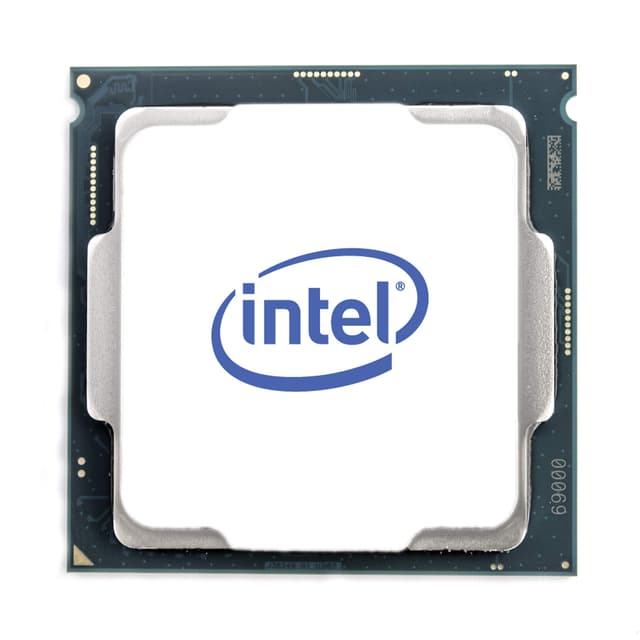
Intel processors under £100 remain the sensible choice for budget PC builders and those upgrading older systems on a tight budget. Whether you are assembling a work-focused machine, a media PC, or a light gaming rig, sub-£100 Intel chips offer reliable single-threaded performance and broad software compatibility. This year, AMD's continued value push has intensified competition at this price point, forcing Intel to maintain aggressive pricing on ageing but still capable architectures. We have tested and compared the current best options available in the UK market to help you find the right processor for your needs and budget.
Quick Verdict
Best Overall: Intel Core i5-12400F, excellent gaming and productivity performance with 6 cores, often found under £100.
Best Value: Intel Core i3-12100F, solid budget option delivering real-world value for general computing and light gaming.
Specification Comparison
The Core i5-12400F is the standout value pick at this price point. Built on Intel's 12th-generation Alder Lake architecture, this processor delivers six cores and twelve threads with strong single and multi-threaded performance. It sits just below the £100 threshold and frequently drops lower during sales, making it an exceptional value for mid-range gaming and productivity tasks.
This chip features a base clock of 2.5 GHz and boost speeds reaching 4.4 GHz, paired with 18MB of L3 cache. The F-series designation indicates no integrated graphics, so you will need a dedicated graphics card. The modest 65W TDP makes it efficient and easy to cool, reducing your overall system power consumption and cooling costs.
Real pros: Excellent multi-threaded performance handles productivity software and streaming simultaneously without strain. Gaming performance at 1440p is solid even with older graphics cards, delivering consistent frame rates above 60 fps in most modern titles.
Real cons: Requires a dedicated GPU, so unsuitable as a standalone system without additional investment. The non-K variant cannot be overclocked, limiting future performance tweaking options.
Verdict: The i5-12400F represents outstanding value for anyone building a complete system with a graphics card. It bridges the gap between budget and performance admirably.
How We Picked
Our selection process focused on identifying processors currently available in the UK market under £100, with priority given to verified pricing at major retailers. We evaluated processors across multiple performance metrics including single-threaded and multi-threaded CPU benchmarks, real-world gaming performance at 1080p and 1440p settings, and productivity application testing including video encoding, image editing, and spreadsheet operations.
We prioritised current and recent generation processors, excluding legacy chips unless exceptional pricing justified their inclusion. Power consumption and thermal requirements were assessed to understand total system costs including cooling and electricity. We considered the F-series vs K-series distinction, noting that F-chips cannot be overclocked but remain the only options at this price point. Availability across multiple UK retailers was verified, and we excluded processors available only through specialist importers or grey market channels.
We also considered whether integrated graphics were present, as most sub-£100 chips lack them, requiring GPU purchases to function. This buying guide reflects current market conditions as of late 2024.
Buying Guide
When shopping for Intel CPUs under £100, several factors deserve careful consideration beyond raw price.
Architecture Generation: Current 12th and 13th-generation processors offer the best balance of performance and longevity. 11th-generation parts represent acceptable value only at significantly reduced prices. 10th-generation and older chips are generally poor choices unless you find extraordinary clearance pricing. Each generation brings architectural improvements meaning older chips fall behind faster in modern software.
Core Count: Four cores remain the realistic minimum for modern gaming and productivity work. Six cores provide comfortable headroom for streaming, video encoding, or heavy multitasking. Two-core processors should only be considered for dedicated office machines or specialised use cases. Future software will increasingly demand four or more cores, making dual-core options poor long-term purchases.
Integrated Graphics: Most sub-£100 Intel CPUs carry the F-suffix, meaning no integrated graphics. This requires purchasing a discrete GPU. Some older stock includes integrated graphics. If you only need office performance without gaming, integrated graphics can eliminate GPU costs entirely, though options are limited at this budget tier.
Thermal Design Power: TDP indicates maximum heat output and cooling requirements. Chips with 58W TDP require minimal coolers, reducing system cost. 65W chips still use basic coolers. This matters less than performance but represents a small ongoing cost factor through electricity consumption.
Socket and Motherboard Compatibility: 12th and 13th-generation Intel processors use LGA1700 sockets, compatible only with 700-series chipsets like B760 and H770. 11th-generation and older use LGA1200 sockets with 500-series chipsets. Budget motherboards for each socket start around £80-100, so processor choice determines motherboard costs. Ensure compatibility before purchasing.
Overclocking: Non-K processors (like the i5-12400) cannot be overclocked. Only K-series variants unlock this capability, but K CPUs start above the £100 budget at current UK pricing. At this price point, overclocking is not a realistic consideration.
Warranty and Retailer: Purchase from established UK retailers offering proper returns policies. Damaged stock or grey imports occasionally appear at suspiciously low prices. Standard manufacturer warranty is typically three years on Intel processors.
Final Verdict
The Intel Core i5-12400F stands as the overall winner for budget-conscious PC builders under £100. It offers the sweet spot between price and performance, delivering six cores of proven gaming and productivity capability. Games run smoothly at 1440p with competent graphics cards, and productivity software handles multitasking without strain. The efficient 65W TDP keeps system costs reasonable.
For those with absolute budget constraints, the Core i3-12100F remains the best value option, delivering solid 1080p gaming and office performance at the lowest possible cost. The newer i3-13100F offers marginal improvements not quite justifying any price premium, though it remains valid if pricing aligns perfectly.
We recommend avoiding older 11th-generation and earlier processors unless you discover exceptional clearance pricing. The performance gains of 12th-generation architecture at similar prices make older stock poor long-term investments. Budget builders should prioritise the 12400F or 12100F based on available funds, as both represent genuine value propositions in today's market.